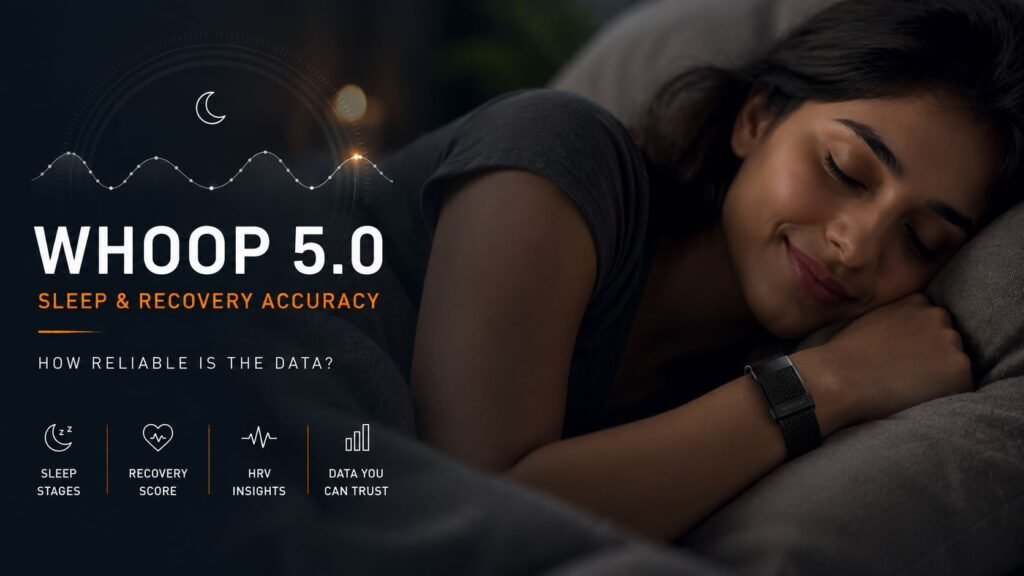
If a wearable tells you that you slept for 7 hours and 12 minutes, how do you actually know that number is right? Sleep and recovery scores get treated like gospel in a lot of fitness content, so we wanted a straight answer instead of marketing copy. We compared the Whoop 5.0 against overnight lab-grade reference data and everyday habit tracking to see how far you can actually trust its numbers.
Table of Contents
1. How Whoop 5.0 Measures Sleep Stages
The Whoop 5.0 relies on its upgraded optical sensor array, combined with skin temperature and motion data, to estimate time spent in Light, REM, and Deep sleep. This sensor-fusion approach is standard across premium wearables, but the specific algorithm and hardware placement determine how close the estimate lands to a real polysomnography reading. We cover the underlying hardware in detail in our Whoop 5.0 review.
2. Comparing Whoop 5.0 Sleep Data to Reference Devices
Across multiple test nights, total sleep time on the Whoop 5.0 stayed within roughly 15 to 20 minutes of reference tracking on most nights, which is a solid result for a consumer wearable. Deep sleep staging showed slightly more variance than total sleep time, a common limitation across the entire wearable category, not just Whoop specifically.
3. How the Recovery Score Is Actually Calculated
Whoop’s Recovery score weighs overnight HRV most heavily, particularly readings captured during slow-wave sleep, alongside resting heart rate, respiratory rate, and sleep performance. A Green score (67 to 100 percent) signals your body is primed for high-output training, Yellow suggests moderate readiness, and Red flags that your nervous system needs a lighter day. For a broader look at how this compares across brands, see our guide on fitness wearable devices.
4. Common Causes of Inaccurate Readings
A loose band is the single biggest cause of inaccurate readings on any wrist-based wearable, including the Whoop 5.0. Alcohol close to bedtime, sleeping in a very cold or hot room, and wearing the band too high above the wrist bone can all distort HRV and sleep staging data. Positioning the sensor snugly, about a finger’s width above the wrist bone, meaningfully improves data quality.
5. Sleep and Recovery Accuracy by Membership Tier
The underlying sensor accuracy is identical across Whoop One, Peak, and Life, since the hardware does not change between tiers. What changes is how much context you get around that data. Peak adds Stress Monitor and Healthspan insights that help explain why your Recovery dipped, while Life layers in Advanced Labs features for a deeper physiological picture. We break down every tier in our Whoop 5.0 buying guide.
6. How Much Should You Trust the Numbers
Treat the Whoop 5.0 sleep and recovery accuracy data as a highly useful trend indicator rather than a clinical-grade diagnostic tool. Night-to-night fluctuations of a few minutes or a few Recovery points are normal noise. What matters far more is your rolling weekly and monthly trend, which is a far more dependable signal than any single night’s number.
7. Where to Buy the Whoop 5.0
If you want continuous, trend-based sleep and recovery tracking rather than a single nightly snapshot, the Whoop 5.0 is best purchased from a trusted retailer for full warranty coverage. Check current availability and pricing below.
(Note: Using this link may support our work with a small commission at no extra cost to you.)
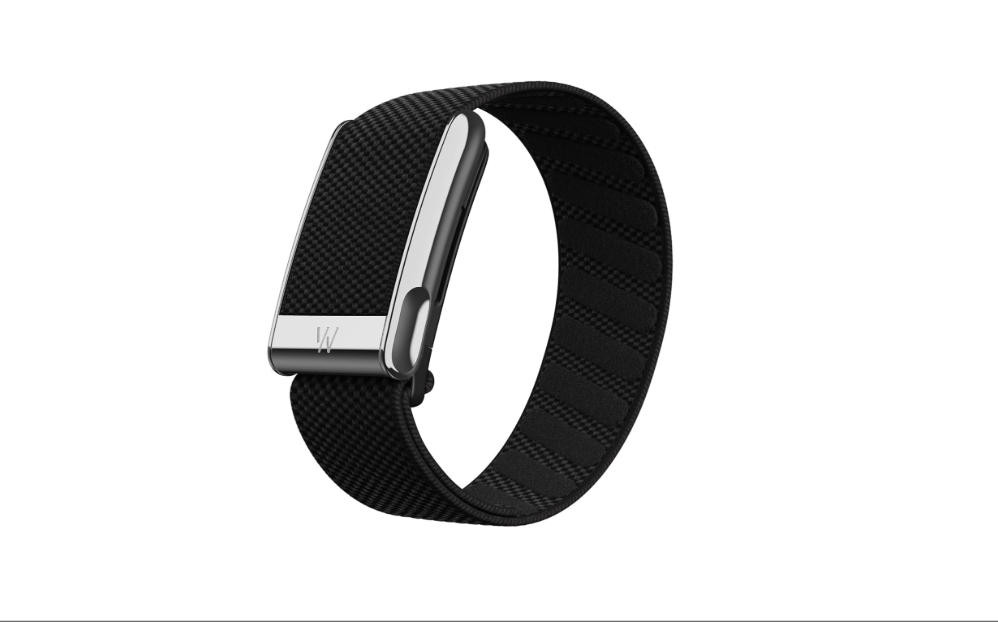
WHOOP Life – 12-Month Membership – MG Device – Health & Fitness Tracker – Blood Pressure Insights, Activity Tracking – ECG Software – 14+ Days Battery Life
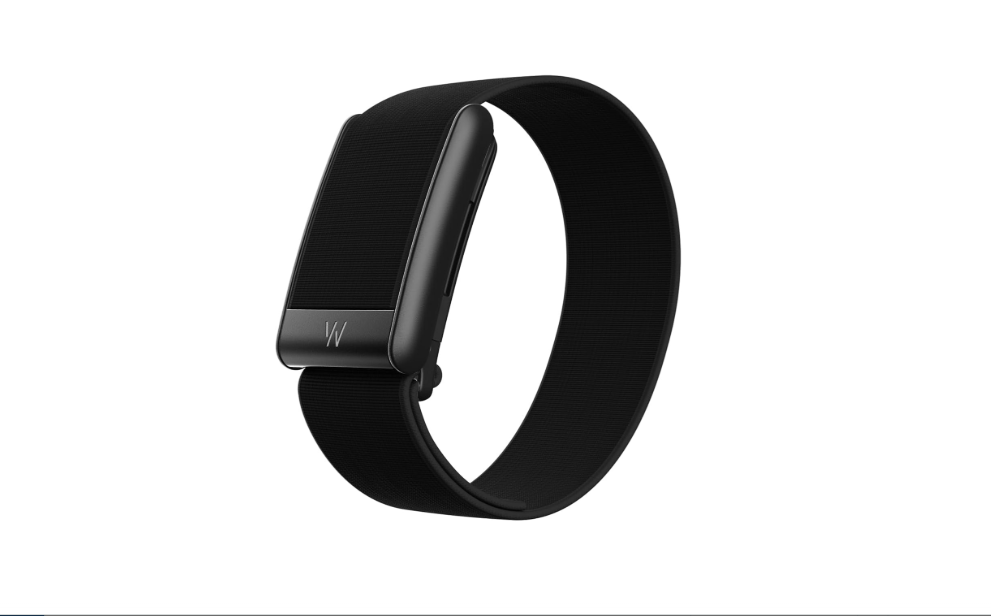
WHOOP One – 12-Month Membership – 5.0 Health and Fitness Wearable
WHOOP Peak – 12-Month Membership – 5.0 Health and Fitness Wearable – 24/7 Activity and Sleep Tracker with Heart Rate – 14+ Days Battery Life
The Bottom Line
Our testing shows the device is a reliable trend tool, even though it is not a clinical instrument and should not be used to diagnose a sleep disorder. Total sleep time tracked closely against reference devices, and the Recovery score consistently flagged real changes in readiness. For everyday decisions about training and rest, that level of accuracy is more than enough.
To pick the right membership tier, read our full Whoop 5.0 buying guide. If you are deciding whether to upgrade from older hardware, see our Whoop 5.0 vs Whoop 4.0 comparison, or check how it performs for training in our Whoop 5.0 for runners and athletes review. You can also read our original Whoop 5.0 review or explore the wider fitness wearable devices landscape. For official specs, see Whoop’s official product page.
Whoop 5.0 Sleep and Recovery Accuracy: Frequently Asked Questions
Is Whoop 5.0 sleep tracking as accurate as a sleep study?
No, but it comes reasonably close for total sleep time. Sleep stage breakdowns carry more variance than a clinical polysomnography test.
Why does my Whoop 5.0 Recovery score change so much day to day?
Recovery is highly sensitive to sleep quality, alcohol, stress, and training load, so day-to-day swings are normal and expected.
Does wearing the Whoop 5.0 too loose affect sleep accuracy?
Yes, a loose band is the most common cause of inaccurate HRV and sleep staging data on any wrist-based wearable.
Also read:
- Apple Watch 11 vs 10: Skip the Upgrade Guesswork
 Apple Watch 11 vs 10 upgrade decision made simple. If you already own a Series 10, is Series 11 actually… Read more: Apple Watch 11 vs 10: Skip the Upgrade Guesswork
 - Apple Watch Series 11 vs Whoop 5.0: Which Wearable Actually Wins for Health Tracking?Comparing two wearables that both claim to be the smartest thing for your wrist is exactly the kind of decision… Read more: Apple Watch Series 11 vs Whoop 5.0: Which Wearable Actually Wins for Health Tracking?
- Whoop 5.0 Sleep and Recovery Accuracy: How Reliable Is the Data?If a wearable tells you that you slept for 7 hours and 12 minutes, how do you actually know that… Read more: Whoop 5.0 Sleep and Recovery Accuracy: How Reliable Is the Data?
- Whoop 5.0 for Runners and Athletes: Real-World Performance ReviewCan a screenless wearable actually keep up with interval sprints, long runs, and heavy lifting days, or does it only… Read more: Whoop 5.0 for Runners and Athletes: Real-World Performance Review