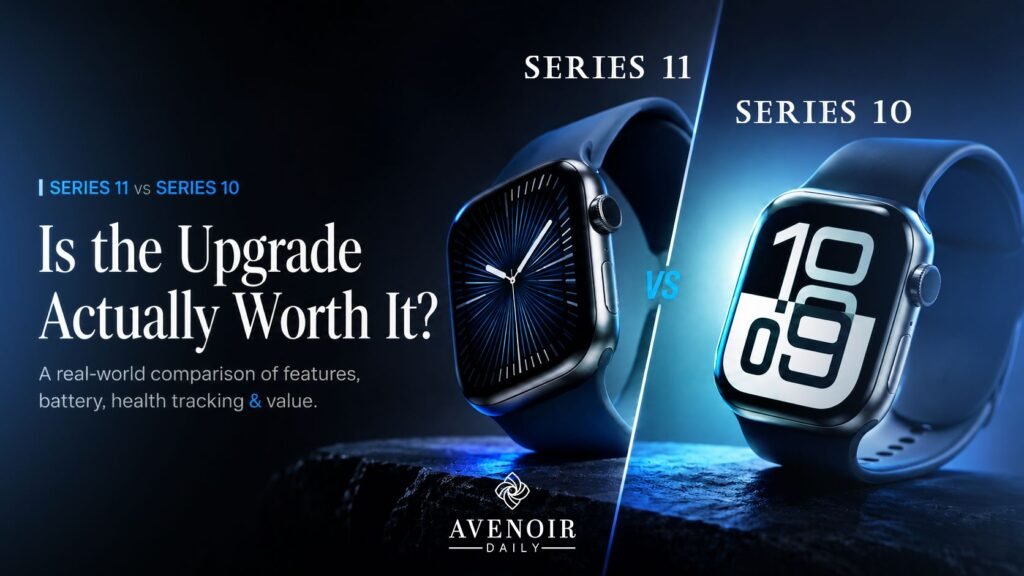
If you already own a Series 10, is Apple Watch Series 11 actually worth the money, or is this a spec-sheet update that only matters to first-time buyers? We compared both watches feature by feature, from the new hypertension notifications down to battery life and chip speed, to figure out exactly who should upgrade and who should sit this one out. Consider this your complete Apple Watch Series 11 vs Series 10 buying breakdown before you spend a single dollar.
Table of Contents
1. What’s Actually New in Series 11
On paper, Series 11 keeps the same 46mm and 42mm aluminum and titanium case sizes as Series 10, along with the same S10 chip. The real upgrades are underneath: a new hypertension detection algorithm, a sleep score, sleep apnea notifications carried over and refined, a brighter wide-angle Always-On Retina display rated up to 2000 nits, 5G cellular on cellular models, and a genuinely longer-lasting battery. None of these are flashy redesigns, but several of them change how useful the watch is day to day, which is exactly why this Apple Watch Series 11 vs Series 10 comparison focuses on real-world impact rather than spec-sheet bragging rights.
2. Hypertension Notifications: The Headline Difference
The single biggest difference is hypertension notifications, a feature Series 10 does not have at all. Series 11 analyzes how your blood vessels respond to your heartbeat over rolling 30-day windows and flags patterns associated with chronic high blood pressure, a condition that affects over 1.3 billion adults worldwide and frequently goes undiagnosed. We go deep on how accurate this feature actually is in our Apple Watch Series 11 hypertension notifications breakdown, but for the purposes of an upgrade decision, this is the feature most likely to justify moving from Series 10.
3. Battery Life: 24 Hours vs 18 Hours
Series 10 was rated for up to 18 hours of normal use. Series 11 pushes that to up to 24 hours, plus up to 38 hours in Low Power Mode and up to 8 hours of normal use from just a 15-minute fast charge. That is a meaningful jump, and it is one of the clearest wins in this Apple Watch Series 11 vs Series 10 comparison if you have ever had to choose between wearing your Series 10 overnight for sleep tracking or making sure it survives a full day of meetings, workouts, and notifications. We ran our own multi-day test of the claim in Apple Watch Series 11 battery life: real-world test of the 24-hour claim.
For comparison, screenless wearables approach battery very differently. Whoop’s upgrade from its 4.0 to 5.0 generation focused heavily on extending wear time between charges too, something we cover in Whoop 5.0 vs Whoop 4.0: Is the Upgrade Actually Worth It?, and it is a useful reference point for how much battery gains typically matter to daily wearers.
4. Display, Chip and Everyday Speed
Both watches run the same S10 chip, so raw performance and app speed feel nearly identical. The difference is the display: Series 11’s Always-On Retina panel is brighter at extreme viewing angles, rated up to 2000 nits, which mainly shows up outdoors in direct sunlight or during a bright midday run. If you already find your Series 10 display perfectly readable, this alone is not a reason to upgrade, and it is a minor factor in the broader Apple Watch Series 11 vs Series 10 decision.
5. 5G Cellular: Do You Actually Need It?
Series 11 introduces a 5G modem and updated antenna architecture on cellular models, replacing the LTE setup used on Series 10 cellular units. In practice this mostly means better coverage in areas with weak reception and faster downloads for apps, music, and podcasts when your iPhone is not nearby. If you rarely use cellular on your watch, this upgrade will not change your daily experience at all, but if you run, cycle, or travel without your phone often, it is a genuine quality-of-life improvement worth weighing in this Apple Watch Series 11 vs Series 10 breakdown.
6. Price and Value Compared to Series 10
Apple Watch Series 11 starts at $399, the same entry price as Series 10 did at launch, which means the Apple Watch Series 11 vs Series 10 price gap is effectively zero: you get hypertension notifications, a brighter display, longer battery life, and 5G for no extra cost over what Series 10 originally charged. If you are comparing against a completely different ecosystem rather than deciding between two Apple Watches, our Apple vs. Garmin Watch comparison and the Whoop 5.0 buying guide are worth reading before you commit to any single platform.
7. Where to Buy Apple Watch Series 11
If the health upgrades and longer battery life have convinced you, buy from a trusted retailer so you get full warranty coverage. Check current pricing and availability below.
(Note: Using this link may support our work with a small commission at no extra cost to you.)
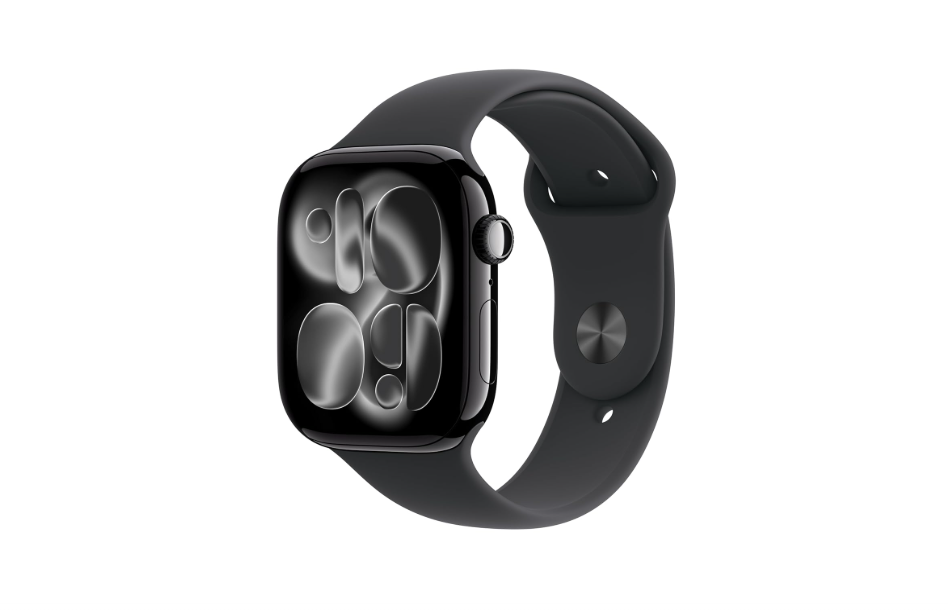
Apple Watch Series 11 GPS 46mm Jet Black Aluminium Case with Black Sport Band
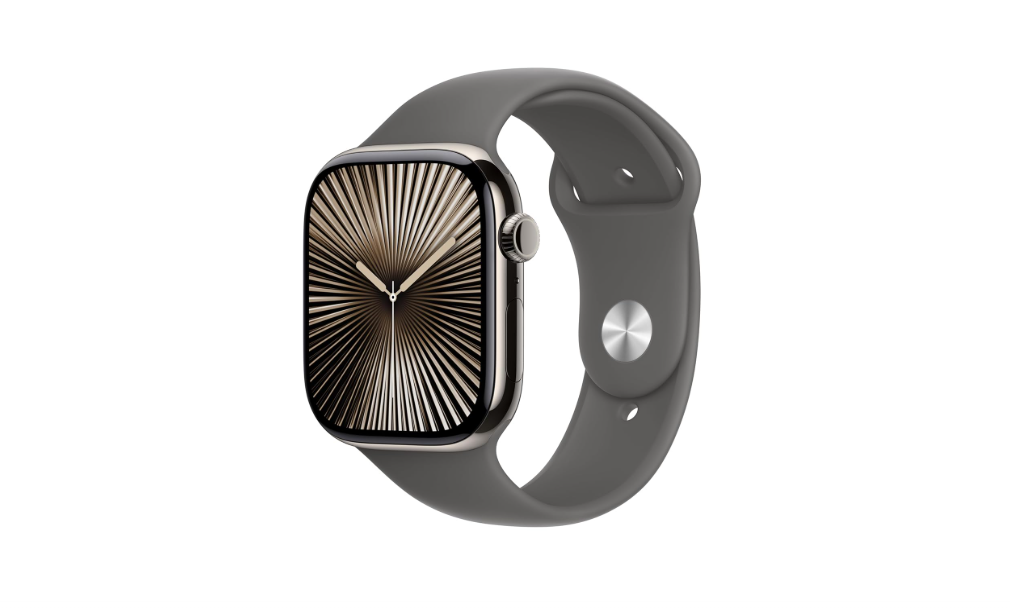
pple Watch Series 10 [GPS + Cellular 46 mm] Smartwatch with Natural Titanium Case with Stone Grey Sport Band
The Bottom Line
If you own a Series 9 or older, Series 11 is an easy upgrade. If you own a Series 10, the decision comes down to how much you value hypertension notifications and the longer battery life, since the chip and core design are unchanged. For anyone who wears their watch overnight, cares about proactive health alerts, or just wants a brighter display outdoors, those two upgrades alone are enough to make the switch worthwhile. Read more on Apple’s official Series 11 page for the full spec sheet. Overall, this Apple Watch Series 11 vs Series 10 comparison shows the newer model is the smarter buy for anyone who prioritizes proactive health monitoring and confident all-day battery life.
Apple Watch Series 11 vs Series 10: Frequently Asked Questions
Is Apple Watch Series 11 a big upgrade from Series 10?
In the Apple Watch Series 11 vs Series 10 story, it is an incremental upgrade focused on health features, battery life, display brightness, and 5G, rather than a full redesign.
Does Series 10 get hypertension notifications through a software update?
No, hypertension notifications require the Series 11 hardware and are not available on Series 10 even after a watchOS update.
How much longer does Series 11 last on a charge than Series 10?
Series 11 is rated for up to 24 hours of normal use compared to up to 18 hours on Series 10, plus longer Low Power Mode runtime.
Is the 5G upgrade worth it if I rarely use cellular?
Not really. The main benefits are better coverage and faster downloads, which only matter if you frequently leave your iPhone at home.
Did the price increase for Series 11?
No, Series 11 starts at $399, the same starting price Series 10 launched at.
Apple Watch Series 11 vs Series 10: which one should you actually buy?
If proactive health alerts and longer battery life matter most to you, choose Series 11. If you already own a Series 10 and rarely use cellular, saving your money and skipping this cycle is the smarter move.
Also read:
- Apple Watch Series 11 vs Series 10: Is the Upgrade Actually Worth It?
 If you already own a Series 10, is Apple Watch Series 11 actually worth the money, or is this a spec-sheet update… Read more: Apple Watch Series 11 vs Series 10: Is the Upgrade Actually Worth It?
 - Apple Watch Series 11 vs Whoop 5.0: Which Wearable Actually Wins for Health Tracking?
 Apple Watch Series 11 and Whoop 5.0 both claim to be the smartest thing you can wear on your wrist for health,… Read more: Apple Watch Series 11 vs Whoop 5.0: Which Wearable Actually Wins for Health Tracking?
 - Whoop 5.0 Sleep and Recovery Accuracy: How Reliable Is the Data?
 If a wearable tells you that you slept for 7 hours and 12 minutes, how do you actually know that number is… Read more: Whoop 5.0 Sleep and Recovery Accuracy: How Reliable Is the Data?
 - Whoop 5.0 for Runners and Athletes: Real-World Performance Review
 Can a screenless wearable actually keep up with interval sprints, long runs, and heavy lifting days, or does it only work for… Read more: Whoop 5.0 for Runners and Athletes: Real-World Performance Review